Marketing Trends: Fall 2022
Marketing trends are constantly evolving due to technological advancements and the dynamism of consumer preferences. Staying up to date with the latest marketing strategies has become crucial for success in all business sectors.

Creating an effective marketing campaign goes beyond designing catchy logos and content. Once your target audience is aware of your market presence, you must find ways to network and build long-lasting relationships with both prospective and existing clients. Digital marketing tools are beneficial for reaching out to customers in foreign and emerging markets. Here are the top marketing trends of 2022 that business owners and digital marketers should embrace to win in their respective sectors.
1. Live streaming and interactive content
In the post COVID-19 era, a significant portion of consumers spend less time shopping in physical stores and attending product exhibitions. Instead, more people are turning to online shopping via mobile apps and websites from the comfort of their homes. Recent customer surveys reveal most consumers prefer live interactive sessions to pre-recorded content.
Live streaming allows your target audience to engage directly with digital marketers and influencers to gain more product information before making purchasing decisions. Live sessions on Instagram, Facebook, and Youtube are particularly effective at reaching out to millennials and younger generations of consumers.
2. Leveraging the power of influencers
Influencers are people with deep knowledge about a particular niche and have earned the respect and trust of other industry players. Like celebrities, influencers have an excellent social media following, making them ideal for product launches and endorsements. Besides brand awareness, influencer marketing is crucial in broadening your business's target audience.

Small business owners can cut marketing costs and still benefit from influencer marketing by working with micro-influencers. Unlike celebrity endorsers, micro-influencers tend to have a smaller social media following but can still boost your engagement levels with customers. Larger and more established businesses can explore continued partnerships with key influencers to benefit from their credibility and expertise in the long term.
3. SEO and keyword phrases
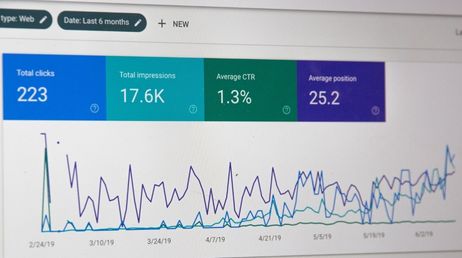
Search engine optimization (SEO) is one of the most effective digital marketing tools for small and mature businesses. While having an intuitive and user-friendly website is crucial, it helps to ensure your site ranks highly on internet searches among your target audience. The best way to optimize visibility across search engines is to incorporate specific relevant keyword phrases in your industry or business niche.
For start-ups and recently launched businesses, it helps to benchmark with competitor sites to learn about relevant keywords in your sector. Shadowing a competitor site will provide insights on which keywords to use and how to incorporate them into your web content. Lastly, it helps to fine-tune your SEO strategy regularly to maintain web traffic and remain relevant in your respective business sector.
4. Virtual and augmented reality
Though virtual and augmented reality are most associated with the gaming industry, content creators are turning to hybrid and mixed realities to refine consumer service. For example, the intuitive simulations made possible by virtual reality are excellent for conducting home tours in the real estate sector.
Facebook's metaverse is one platform where business owners and content creators can capitalize on virtual reality using readily available software tools. For example, billboards and signage in virtual spaces could soon have a similar impact to real-life advertising. Given the unbounded nature of the metaverse and other virtual spaces, more creators will embrace VR and related technologies in 2022 and beyond.
5. Embrace the use of short videos in digital marketing campaigns
Reels or short-form videos are one of the most popular marketing trends of 2022. Facebook, Instagram, and TikTok reels are great for grabbing your target audience's attention. A recent Hubspot survey revealed that reels deliver the highest lead conversion rates compared to other social media strategies. Moreover, reels and short videos provide a more affordable way for small and medium enterprises to compete and showcase their products to target audiences.
Recap
Following the COVID-19 pandemic, more businesses are shifting their efforts to e-commerce to boost customer engagement. As a result, business owners should switch to customer-centric strategies focusing on refining the consumer experience by delivering the right message at the right time. It helps to adopt a multichannel marketing campaign that includes social media marketing, SEO, and virtual reality to stay ahead of your competition.




Start Growing Your Dental Practice with SEO
Take the first step toward transforming your marketing. Whether you’re looking to boost engagement, improve your online presence, or grow your business, our team at Vix Media Group is here to help.
Let’s craft a strategy tailored to your goals.