5 Growing Marketing Trends for Medical Clinics in 2024
Navigating the evolving landscape of healthcare marketing is essential for clinics aiming to remain competitive to attract new patients. From leveraging video content to building strategic partnerships, these trends will help clinic owners, medical professionals, and healthcare marketers effectively navigate the challenges of the current market. By focusing on patient engagement and local visibility, clinics can grow their practices and strengthen relationships within their communities.

Table of Contents
- 1. Leverage Video Content Marketing
- 2. Boost Local Business Rankings with SEO and Online Presence
- 3. Optimize Local Listings with Up-to-date Information
- 4. Create Community-Centric Content
- 5. Build and Engage in Strategic Partnerships
- 6. Leverage Client Advocacy
- 7. Make Informed Decisions With Data
- 8. Boost Your Clinic's Visibility and Engagement with Effective Local Marketing Solutions
Marketing budgets at private medical clinics have a wide range, from conservative to aggressive. According to one survey, most clinics (62%) spend between just 1% and 5% of their revenue on marketing. At the other end of the spectrum, 3% of medical clinics spend between 31% and 40% of their annual revenue on marketing. Despite varying budget sizes, the key challenge for medical clinics lies in making the most of each dollar spent.
While conventional efforts like Google ads, print media advertising, and email campaigns are still necessary, there is a pressing need to leverage newer trends. Medical clinics must come up with innovative strategies to enhance online visibility, foster better patient engagement, and drive higher footfall.
Focusing on trends will help clinics navigate marketing challenges, stand out in competitive markets, and achieve sustainable growth.
The following marketing trends will not only help your clinic attract more patients but also enhance community engagement, creating lasting relationships that benefit both your practice and the patients you serve.
Leverage Video Content Marketing

Video marketing has become a cornerstone of digital strategy, especially in healthcare. By creating engaging video content—such as patient testimonials, explainer videos, and behind-the-scenes glimpses—clinics can foster trust and credibility.
By stepping in front of the camera, management and employees can establish a more personal connection with potential patients while enhancing trust and credibility. This personal touch is invaluable in an industry where patient relationships are paramount.
According to the Application of Video Marketing Statistics Report by NogenTech, all three major social media platforms (Facebook, Instagram, and TikTok) are dominated by video content. It found that 91% of businesses use video as a marketing tool.
Embracing video marketing can be transformative for medical clinics and practitioners. It’s a medium that lets them showcase their expertise, introduce their facilities, and share patient testimonials. Videos can significantly influence the decision-making process not just in potential clients, but also partners, vendors, and other stakeholders.
Key Strategies
1. Authentic Engagement
Focus on genuine content that addresses patient concerns. Sharing real stories helps to build a relatable and trustworthy image for your clinic. This can be achieved by producing videos of various types. some text.
2. Explainer videos
Educate viewers about common procedures or conditions clearly and informally.
3. Behind-the-scenes videos
Offer a glimpse into a clinic's facilities, technology, staff, and general environment. These videos can help build trust and credibility.
4. Compilations of patient testimonials
An impactful way of providing social proof of a clinic's quality of care and outcomes.
5. Platform Diversity
To maximize the impact of your video content, make sure to repurpose and share them across multiple platforms, including Instagram reels, TikTok, Facebook, YouTube, and local TV spots. A multi-channel approach ensures wider visibility and maximizes return on investment in content production.
Clinicians can increase their reach and engagement by meeting consumers on the platforms where they are most active. Research indicates that Instagram reels have shown the highest average engagement compared to other types of posts. It is a format that allows clinics to gain more likes and comments while enhancing their online visibility and engagement.
Boost Local Business Rankings with SEO and Online Presence
Optimizing your local online presence is crucial in today’s AI-driven search landscape. A well-maintained Google My Business profile can significantly improve your clinic's visibility.
Just consider the fact that medical services account for the highest percentage (75%) of business listings on Google My Business.
Google's ranking systems prioritize original, high-quality content that embodies E-A-T principles, which stands for Expertise, Authoritativeness, and Trustworthiness.
This means content is ranked based on the quality of content, whether it be in the form of text, images, or video- regardless of the author.
Essential Practices
1. Regular Updates
Keep your Google My Business profile current with accurate information and engaging visuals that reflect your services.
2. Engagement
Encourage patient reviews and actively respond to feedback to enhance your local SEO, creating a positive cycle of trust and visibility.
Optimize Local Listings with Up-to-date Information
Maintaining accurate local listings is vital for enhancing search visibility. Clinics must keep their Google My Business profiles updated with current info, appealing photos, and videos. Encouraging reviews and responding to feedback is equally crucial to maintain visibility in local searches.
Take the example of GoodLife Chiropractor based in Campbell, CA.
The establishment has an up-to-date profile with photos, reviews, contact information, and working hours. It has been expertly done to showcase their facility and drive website traffic.
Finally, remember that AI can help clinics analyze user behavior and preferences and enable them to tailor their content and engagement strategies effectively. A data-driven approach allows clinics to optimize their Google My Business profiles to better meet the needs of their target audiences.
Best Practices
1. Information Accuracy
Ensure that contact details, hours, and services are always up to date, preventing potential patient frustration.
2. Visual Appeal
Include high-quality photos and videos to attract potential patients.
Create Community-Centric Content
Creating community-centric content involves tailoring your message to resonate with the specific needs and interests of your local audience to enhance engagement and increase SEO.
Focus Areas
1. Localized Topics
Address community-specific health concerns, such as senior health issues for clinics near retirement communities, to position your clinic as a trusted local resource. For instance, a clinic located near a retirement community or elderly care facility can produce content focusing on senior health issues, caregiving tips, and local resources for seniors. They can share information about community events that cater to older adults, such as health fairs or senior exercise classes.
2. Event Promotion
Share information on local health fairs, workshops, and exercise classes to foster community involvement. This type of localized content helps in local SEO by targeting specific keywords and topics relevant to the community, which leads to higher rankings in online searches. It helps increase patient footfall and strengthen a clinic's presence in the community.
Build and Engage in Strategic Partnerships
Collaborating with local businesses and health organizations can expand your clinic's reach and credibility. A clinic can establish rewarding and mutually beneficial relationships by identifying potential partners.
Partnership Ideas
1. Health Collaborations
Work with gyms, health foods stores and wellness centers that align with your mission and values to provide comprehensive services and enhance patient care.
2. Joint Promotions
Share resources for mutual benefit, increasing visibility for both parties. When organizations collaborate, they can pool their resources and expertise to provide better care for their communities.
According to a report by MarkWide Research, some fitness clubs now provide access to holistic health services like mental health programs and mindfulness sessions. For instance, a mental health clinic can partner with a fitness club and collaborate to offer comprehensive health and wellness services to their communities.
Besides benefiting patients, such partnerships help both organizations gain visibility and business through online and offline promotion.
Leverage Client Advocacy
Existing patients can be the most effective promoters for a medical clinic, as sharing their positive experiences can build credibility and attract new patients.
To harness the full potential of client advocacy, clinics can develop referral programs that incentivize current patients to refer friends and family. Such programs can include rewards such as discounts on future services or small gifts for successful referrals.
Special events such as open houses or health fairs can also be used to encourage current patients to invite others and expand a clinic's reach.
Strategies
1. Referral Programs
Implement incentives for current patients to refer friends and family, creating a community of advocates. When implementing patient-to-patient referral programs, clinics must ensure the process is simple and convenient. This can be done by offering referral cards or links that patients can easily share with others. Make sure to incentivize both the referrer and the new patient to increase participation in the program. When it comes to doctor-to-patient referrals, clinics can leverage digital tools such as email marketing, referral tracking software, or personalized messages through patient portals.
2. Shareable Content
Develop shareable content for use on social media to amplify word-of-mouth promotion. This type of content can include patient testimonials, success stories, and educational articles that patients can easily share with their network. Create testimonials and educational articles that are easy for patients to share on social media, amplifying your reach.
Make Informed Decisions With Data
Data-driven decision-making is essential for refining marketing strategies. A recent PwC report says that leaders who drive collaborations and leverage data and analytics gain a significant competitive edge. This involves analyzing patient demographics, engagement metrics, and campaign results to make more informed decisions. For example, clinics can track key performance indicators (KPIs) such as website traffic, appointment bookings, and patient satisfaction scores. Regular review of such data allows clinics to improve their marketing efforts continuously.
Based on data analytics, clinics can adjust their marketing strategies, focusing more on channels and content that drive results. For instance, if analytics show that a particular social media platform is driving the most engagement, clinics can allocate more resources to that platform and tailor content to better resonate with their audience.
By embracing data-driven decision-making, clinics can stay ahead of the curve and ensure that their marketing efforts are effective and adaptable to changing market conditions.
Key Metrics to Analyze
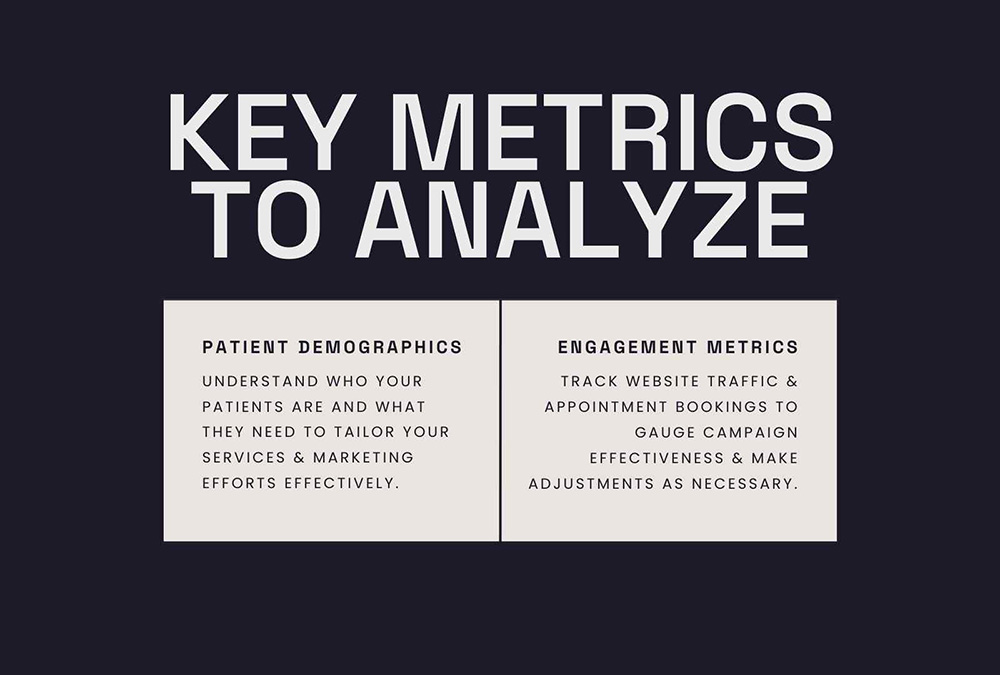
1. Patient Demographics
Understand who your patients are and what they need to tailor your services and marketing efforts effectively.
2. Engagement Metrics
Track website traffic and appointment bookings to gauge campaign effectiveness and make adjustments as necessary.
Boost Your Clinic's Visibility and Engagement with Effective Local Marketing Solution
Staying ahead in the healthcare marketing landscape is crucial for clinics aiming to boost visibility and patient engagement. By implementing local marketing trends, your clinic can navigate challenges and achieve sustainable growth.
Vix Media Group tailors solutions that will elevate your online presence to attract more patients. Partner with us for targeted local marketing strategies that deliver measurable results, ensuring your clinic continues to thrive for years to come.




Start Growing Your Dental Practice with SEO
Take the first step toward transforming your marketing. Whether you’re looking to boost engagement, improve your online presence, or grow your business, our team at Vix Media Group is here to help.
Let’s craft a strategy tailored to your goals.