Does The Clubhouse App Work For Marketing?
Today, there is a paradigm shift in marketing as more platforms are emerging every day, thus offering more opportunities for consumers and market research.

Technology, mobile devices, social media and the internet have contributed a drastic change in consumer behaviors while buying things and interacting with brands. Due to the numerous social media platforms, most marketing teams are now shifting their attention to digital marketing as there is a diverse range of options to consider when coming up with a marketing strategy.
As time progresses, marketing will continue undergoing a significant upheaval due to the numerous digital integrated lines. Recently, a new social media app that allows people worldwide to connect in real-time via an audio app interface on your face made its debut in the market. This app is known as the Clubhouse.
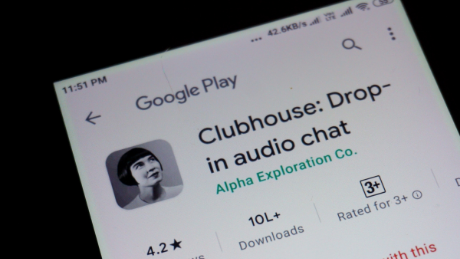
How Clubhouse App Works
Clubhouse is the newest live audio app that allows users to create rooms within the virtual space. It is one of the fascinating social media apps as users interact via audios only through either scheduled discussions or impromptu discussions. The discussion can include a large number of people or just a few of them, with the virtual room creator acting as the moderator.
If you access the virtual room via an invitation, you can instantly obtain current conversations from various rooms. To be part of the panel discussion, you can raise your hand to be allowed to join the conversation. You don’t have to be invited all the time to join the room, as the app permits you to host your personal room or create a club.
However, everyone cannot use the clubhouse app as it is only available for iPhone users. Secondly, you cannot access any information discussed during the live recording as the app has no recording feature and chats or voice-based information disappear as soon as they finish. Clubhouse app is growing rapidly as it already has over ten million users.
Clubhouse is an exceptional marketing platform as it allows unlimited amount of discussions with different participants, from marketing trends to entrepreneur tips. Unlike other social media platforms, Clubhouse forms a place for social gathering with a full audience, fascinating conversations and networking opportunities with a renowned audience in the crowd. That is why almost everyone wants to join some of those rooms.
You must actively advertise it on numerous social media platforms to promote your brand. However, as more platforms keep on sprouting, extending your brand to each emerging platform can be nerve-wracking. So, can you promote your brand via clubhouse app? Can the app work for marketing? Well, below are some of the ways Clubhouse can help promote your brand and broaden your customer base:
1. It Allows Audience Engagement
Since the app allows you to host an individual room and create a club, you have a perfect opportunity to develop your brand. As a way of ensuring you have an audience in your virtual room, you can connect your other social media platforms such as Instagram and Twitter to your clubhouse account. As the host, you can initiate relevant topics, host panel discussions and combine with other professionals to channel your ideas and exhibit your value to your followers. Initiate natural conversations by encouraging questions and comments.
2. The App Has Evolving Content
Clubhouse is mainly used to host conversations that focus on entertainment, business and technology due to its primary target audience. However, since the audio content on the platform has grown, you can carry out immense experimentation on the forum.
For instance, apart from having the typical chat or discussion, you can scale to something substantial. Due to the evolving nature of this platform, you can always try new content ideas and receive critical feedback from your audience, including those hosted by the clubhouse developers themselves. As a way of advancing your brand, you can initiate fascinating conversations with industry experts to come up with inventive solutions to common challenges faced by your brands.

3. Clubhouse Can Help You Build Your Network
The voice format on Clubhouse makes the platform a suitable ground for building networks. Networking allows you to get numerous opportunities that you wouldn’t have gotten individually. Your network can conveniently offer you various ideas related to your field, such as information on what potential customers look for advice on progressing professionally. When interacting with the rest in the virtual rooms, you can actively participate by asking relevant questions and engaging other members.
The more you become active in the room, the more you build a massive following as more members will take notice and check out your profile. Clubhouse has rooms designated for networking and are available for small business owners, freelancers and agencies.
4. Promote Your Brand Through Clubhouse
Whatever business you have vested in, Clubhouse has it. Don’t hesitate to join clubhouse rooms as you might get the appropriate crowd and the right people to invest in it.




Start Growing Your Dental Practice with SEO
Take the first step toward transforming your marketing. Whether you’re looking to boost engagement, improve your online presence, or grow your business, our team at Vix Media Group is here to help.
Let’s craft a strategy tailored to your goals.