New Methods for Reaching Out to New Customers
Getting new clients is a great way to promote and grow your company. Using the above tips and many others will greatly help reach new customers. These will be great for improving your company.

Table of Contents
- 1. Creating A Referral System
- 2. Excellent And Consistent Advertising
- 3. Doing Follow-Ups on Old Customers
- 4. Being Open and Ready to Answer Any Questions from Potential Customers
- 5. Know Your Business Well
- 6. Be Your Fan
- 7. Use The "Bring A Friend" Tactic
- 8. Participating In Community or International Events
- 9. Partnerships Building
- 10. Giving Discounts to Customers
- 11. Online Reviews
Every firm wants growth and expansion day-to-day. To do this, new customers are a great key. Getting new customers looks so easy, but that is not usually the case. There are several ways of getting new customers. For instance, advertisements and referrals, among others, are discussed here.
Creating A Referral System
Referrals are a key tool for getting new customers. Having a satisfied customer is one thing, but referring your enterprise to friends and family is another. Ensure that you entice your satisfied customers to give you credits to others. A system that solicits referrals actively will be great to implement for new customers.

Excellent And Consistent Advertising
Advertisements provide a key way of reaching new customers. They also help in keeping the current customers. One can do advertisements via different platforms, including Twitter, Facebook, and Instagram. This will encompass advertising available items in-store or new products from your company that can entice new customers.
Doing Follow-Ups on Old Customers
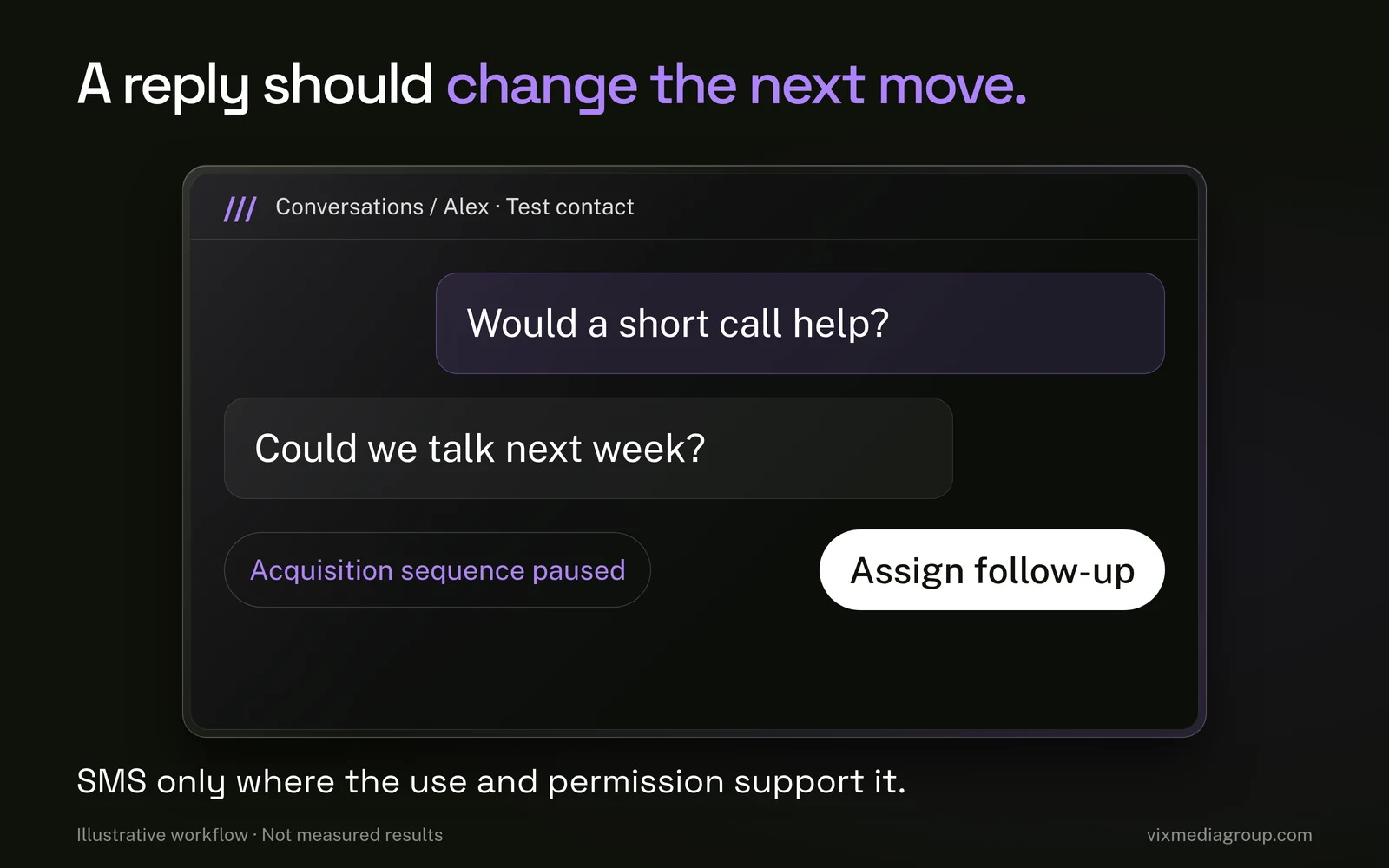
Customers are so vibrant during the first few days of shopping or working with your enterprise. After a few months, they start drifting away, which causes you to lose several clients. This might seem off, but following up on these customers will help regain the customers. You might call or text them, informing them that you've got offers for consistent clients. This will help get your old clients back as new customers.
Being Open and Ready to Answer Any Questions from Potential Customers
Customers will always want to clarify any details before the purchase of any good or service. The owner of the company should provide a channel to answer any of these questions in detail. This is a way of ensuring that a potential customer gains trust in your company. Having great details and reasons to clients as to why they need to try your product will do great for new customers.
Know Your Business Well
Great knowledge of the product or service you are offering is crucial. It gives you confidence as you know when a client approaches you, you will give a great explanation. Potential clients will be free to call out for your assistance. Keep in mind that knowing your product well is impressive and would do great for new customers.
Be Your Fan
For a potential consumer to like your item, you have to like it first. For example, if you work in a communication company and would like to do an advertisement, you need to use the communication company you are working with. When potential customers see that you like your work so much, they will be interested in knowing what is in there. Wear a dress if you want your clients to like it.
Use The "Bring A Friend" Tactic
This is a great way of having your current clients bring you, new clients. For instance, launching a new handbag. You will make an offer to a client who brings a client. In this case, when a client buys one, their friend gets one free. By doing this, the friend who came might become a great fan of your product and thus a new client.
Participating In Community or International Events
This applies to both ongoing and potential companies. If you are launching a company, you can take part in charity events where you can tell people about your intended company. For established companies, sponsoring holiday fun for children and offering low-interest loans will be great. This helps to build your name and people will be interested in what you offer as a company.

Partnerships Building
Synergism is a great way of building your business. This happens by you creating an excellent relationship with complementary businesses. They will recommend your service or product to new clients. Having great relationships with people is very important, as they might be the new customers you need.
Giving Discounts to Customers
Discounts to new customers greatly help to get them. You would give an alert that, "There is a 15% discount for every person shopping or working with us for the first time." A customer will buy it because it is cheap. They will use the product or service and recognize that it is great. They end up becoming your new and regular clients.
Online Reviews
Every client requires great and satisfying services. Most will choose a four or five-star rated company. Ensure that you have an auto message asking your satisfied clients to rate you and give reviews. After that, ensure that you give a link to your reviews on your website. This will cut doubts as the reviews act as social proof to your clients.






Start Growing Your Dental Practice with SEO
Take the first step toward transforming your marketing. Whether you’re looking to boost engagement, improve your online presence, or grow your business, our team at Vix Media Group is here to help.
Let’s craft a strategy tailored to your goals.