.svg)
SaaS Marketing Techniques for 2025
The Software as a Service (SaaS) industry has evolved at an unprecedented pace over the last decade, and the landscape is set to continue changing rapidly in the coming years. As SaaS companies scale, they must grapple with a variety of challenges, including increasingly high customer acquisition costs, market saturation, and the pressure to retain subscribers in an era of fierce competition. At the same time, customer expectations are higher than ever, with clients demanding seamless, personalized experiences across all touchpoints. In this environment, traditional marketing methods no longer suffice. The rise of new technologies, changing consumer behaviors, and growing competition necessitate a shift in how SaaS companies approach their marketing strategies. In 2025, SaaS businesses will need to embrace more innovative, data-driven tactics to stay competitive and meet the evolving demands of their audiences.
As customer loyalty becomes harder to win, companies must look beyond traditional acquisition strategies to find sustainable growth. Retention is now just as critical as attracting new customers, with a focus on delivering long-term value that keeps users engaged. Additionally, the rapid pace of technological advancements, including AI, machine learning, and automation, offers opportunities for SaaS businesses to streamline operations, personalize customer experiences, and optimize marketing campaigns.
There are a variety of SaaS marketing techniques that will define success in 2025. From leveraging data to make smarter, real-time decisions to embracing the power of video content and AI-driven automation. These techniques are designed not only to help you acquire new customers but also to improve retention, reduce costs, and foster meaningful connections with your audience. By focusing on these innovative tactics, SaaS companies can overcome common marketing challenges and position themselves for growth in an increasingly competitive landscape.
The Challenges of SaaS Marketing
SaaS companies face a range of unique challenges that directly influence their marketing strategies. These challenges, if not addressed properly, can hinder growth and profitability.
High Customer Acquisition Costs (CAC)
SaaS companies are increasingly facing high CAC, with an average of $1.18 spent for every $1 in revenue according to SaaS Capital. The competitive nature of the SaaS space makes acquiring new users an expensive endeavor, demanding that companies refine their marketing tactics to achieve sustainable customer acquisition costs.
Market Saturation
The SaaS industry is projected to grow to $623 billion by 2025, up from $168 billion in 2020. As more companies enter the market, differentiating products and standing out among similar offerings becomes more difficult. Effective marketing strategies will be essential for cutting through the noise and gaining attention.
Retention vs. Acquisition
SaaS businesses rely heavily on long-term subscriptions, which makes customer retention 5x more cost-effective than acquisition. However, many businesses still prioritize customer acquisition over retention, which is a critical mistake. Balancing both efforts will be key to success in 2025.
These challenges are pushing SaaS companies to adopt innovative marketing strategies designed to lower acquisition costs, boost retention, and differentiate their products in a crowded marketplace.
Data-Driven Marketing Decisions for SaaS
As marketing costs continue to rise and competition intensifies, data-driven marketing will be a crucial strategy for SaaS companies. By leveraging data, businesses can optimize campaigns, improve conversion rates, and lower CAC.
Aligning Marketing and Sales
Integrating data across teams is vital for improving collaboration between marketing and sales. Shared insights—such as customer personas, lead scoring, and touchpoints—allow marketing teams to craft more effective campaigns while enabling sales teams to close deals more efficiently. According to HubSpot, companies with aligned sales and marketing teams experience a 36% higher customer retention rate and 38% higher sales win rates.
Personalization Powered by Data
Personalization is becoming more important, as 91% of consumers are more likely to engage with brands offering personalized experiences according to Epsilon. Using AI and analytics, SaaS businesses can create highly targeted campaigns, personalized emails, dynamic landing pages, and custom ads that speak directly to the individual needs of their customers. Personalization increases both engagement and conversion rates while enhancing customer loyalty.
Launching Targeted Campaigns
Data-driven campaigns help SaaS companies allocate their resources effectively. By analyzing key performance metrics such as Click-Through Rate (CTR) and Customer Acquisition Cost (CAC), businesses can refine ad strategies over time, ensuring that their marketing budget is spent on the most effective channels. Data-backed decisions improve ROI and ensure that marketing efforts are always aligned with business goals.
Harnessing the Power of Video Content
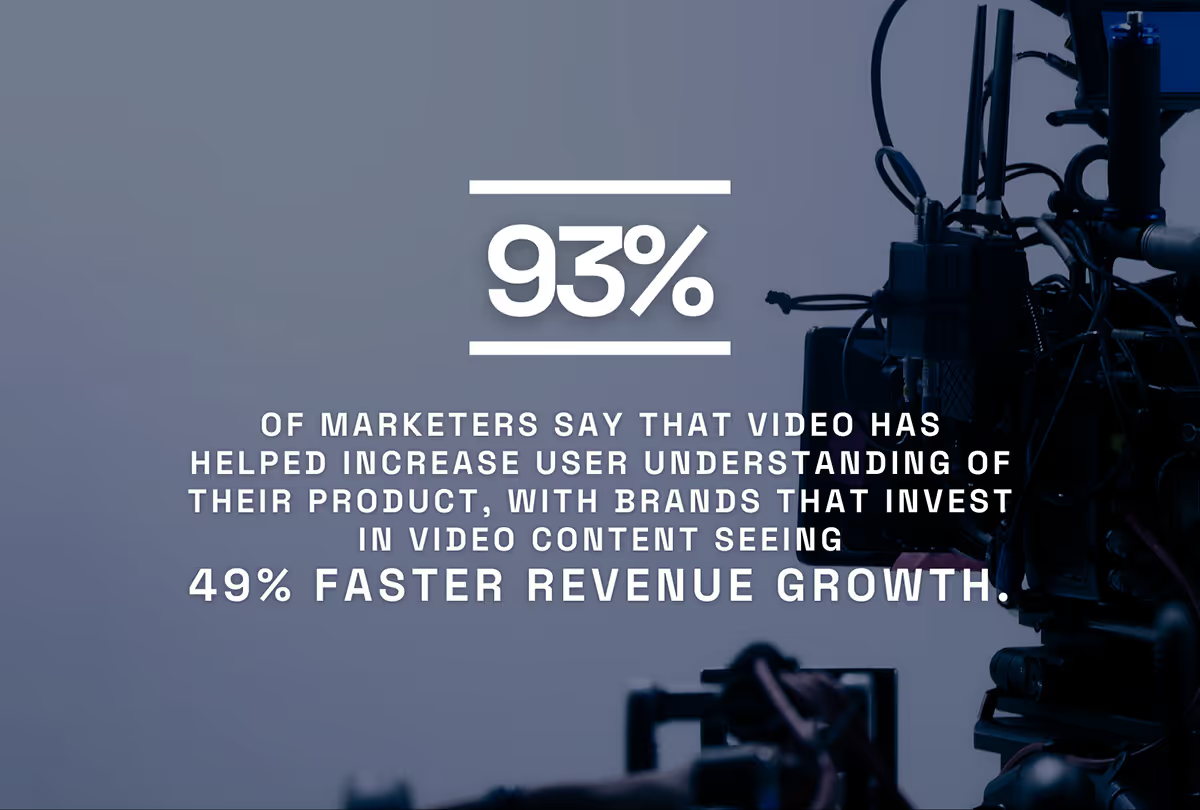
Video is one of the most effective tools in SaaS marketing, providing an engaging and informative way to showcase products, explain complex features, and build trust with customers. In fact, 86% of businesses use video as a marketing tool, and 93% of marketers say that video has helped increase user understanding of their product.
Platform Prioritization
Short-form videos are becoming increasingly important, especially on platforms like Instagram Reels, TikTok, and YouTube Shorts. Short-form video consumption increased by 60% year over year. By prioritizing high-engagement platforms, SaaS brands can reach a broader audience and drive more traffic to their websites. Focus on creating concise, captivating videos that highlight key product features or customer testimonials to maximize engagement.
Budget Allocation
While high-quality video production can be costly, investing in video content delivers a significant return. Studies show that brands that invest in video content see 49% faster revenue growth. The strategic allocation of budget to video production and promotion on social media platforms ensures maximum visibility and engagement.
Consistency for Growth
Consistency is crucial for building a loyal audience. Brands that publish regular, high-quality video content on a variety of topics—including product features, customer success stories, and industry insights—will foster trust and drive long-term engagement. Combining value-driven content with trending topics will also help grow your presence on social platforms.
Multi-Channel Strategies for SaaS Success
In 2025, SaaS businesses will need to engage customers across multiple channels to ensure consistent brand messaging and reinforce customer loyalty. Multi-channel marketing strategies offer numerous benefits, including higher engagement rates and a stronger brand presence.
Brand Psychology
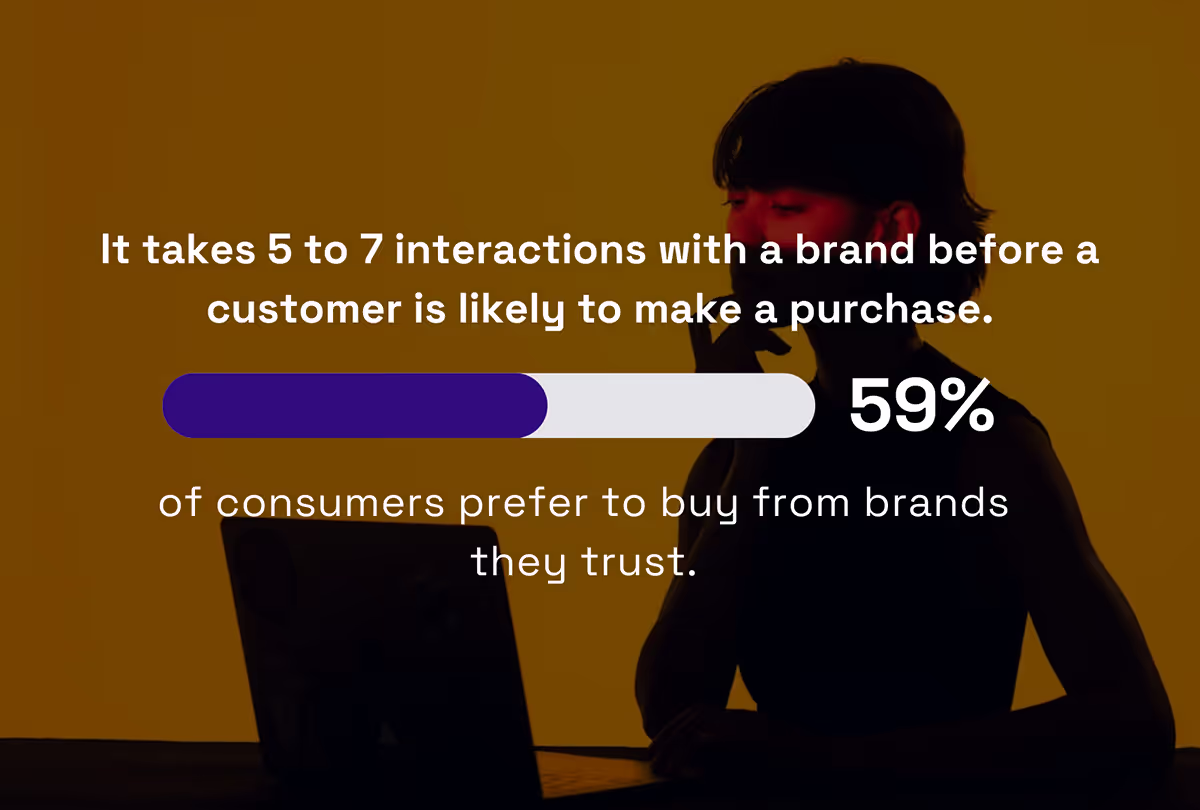
A consistent message across platforms is crucial for building familiarity and trust. According to Nielsen, 59% of consumers prefer to buy from brands they trust. By maintaining uniformity across channels (social media, email, paid ads), SaaS companies can create a unified brand experience that resonates with customers and drives loyalty.
Touchpoint Dominance
It takes 5 to 7 interactions with a brand before a customer is likely to make a purchase. A multi-channel strategy ensures your brand remains top of mind at every touchpoint along the customer journey. Whether through paid ads, email campaigns, or organic social content, consistent engagement at multiple stages of the funnel increases the likelihood of conversion.
Advertising vs. Marketing Balance
While advertising focuses on direct sales, content marketing builds brand awareness and customer loyalty. According to the Content Marketing Institute, 66% of marketers believe content marketing is more effective than traditional advertising. Combining both strategies allows SaaS businesses to generate immediate results while nurturing long-term customer relationships.
Integrating AI and Automation
AI and automation are transforming SaaS marketing by improving personalization, streamlining workflows, and enabling businesses to scale their efforts more effectively.
Affordable AI Tools
AI tools, such as those for customer segmentation, email automation, and A/B testing, are now more accessible and cost-effective than ever. According to Salesforce, AI adoption in marketing has increased by 67% in the past two years. By automating routine tasks, SaaS marketers can free up time for higher-value work and improve the overall efficiency of their campaigns.
Personalization at Scale
AI allows SaaS companies to deliver personalized experiences at scale. By leveraging AI-driven insights, businesses can craft dynamic content, tailor ads, and customize product recommendations for individual customers. This level of personalization leads to higher engagement and conversion rates, as 80% of consumers are more likely to buy from companies offering personalized experiences.
Streamlined Workflows
Automation tools help SaaS teams focus on high-level strategy while letting AI handle repetitive tasks. From lead scoring to email nurturing, automation streamlines workflows, allowing SaaS companies to scale their marketing efforts without a proportional increase in resources. This efficiency is critical as businesses look to maintain growth while managing costs.
Conclusion
The future of SaaS marketing in 2025 is data-driven, highly personalized, and powered by cutting-edge technologies like AI and automation. SaaS companies that invest in data-driven decisions, video content, multi-channel strategies, and automation will be best positioned to succeed in an increasingly competitive landscape. By addressing the unique challenges of high customer acquisition costs, market saturation, and retention, businesses can differentiate themselves, optimize their marketing efforts, and drive long-term growth.
Adopting these techniques will help your SaaS business thrive in 2025. Start strategizing today to stay ahead of the competition.

.svg)



Do you remember the last caption you read on Instagram last night? What was the last reel you watched on Facebook about? If you cannot answer one of these questions, you’re not alone. There's plenty of content online, from Google search results to social media posts and how-to videos and articles.


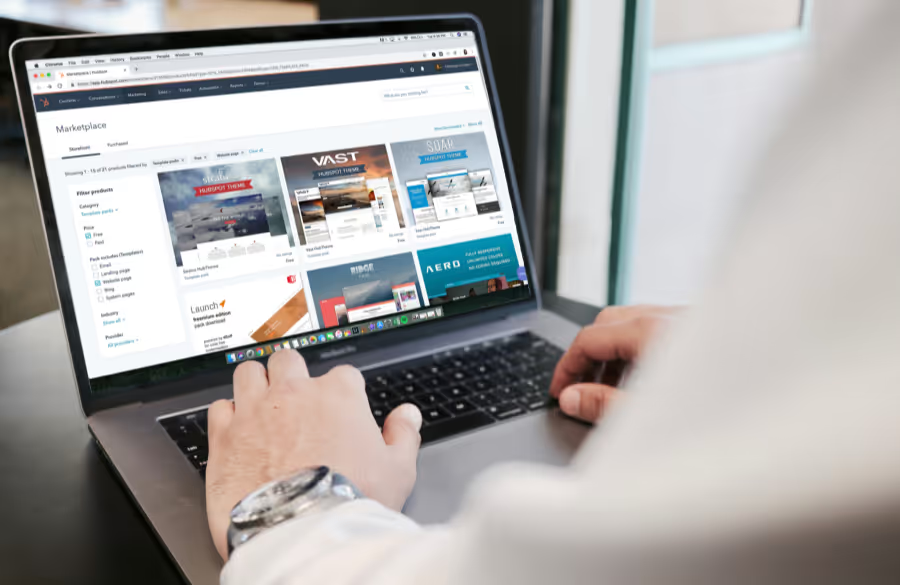

Video marketing is the future of content in the digital world, and for good reason. This type of marketing is a more enjoyable way to share your ideas and a great medium for reaching people on the go. Here are the reasons why video marketing is the future of content.

Small business owners may see SEO as an unnecessary expense but this could not be further from the truth. SEO is increasing in importance, it used to play a major role for only large and midsize businesses. Now, it is just as crucial for small businesses…

Marketing should not be done without a proper and defined plan in place. A marketing plan is crucial for larger companies because it allows you to be closer to your target audience and improves the effectiveness of your marketing. It will enable you to do research, leading to a better understanding of what people want, thus leading to better sales.

Online presence is crucial for businesses that want to sell online and industries where customer experience is a crucial factor. It is essential because it builds trust to know what a company has been up to lately and if it's expanding into new markets.
Start Growing Your Dental Practice with SEO
Take the first step toward transforming your marketing. Whether you’re looking to boost engagement, improve your online presence, or grow your business, our team at Vix Media Group is here to help.
Let’s craft a strategy tailored to your goals.