
Landing Pages 101: Improve Your Conversions With These 5 Tips
The goal of a landing page is to get someone to take action. Whether subscribing, signing up for an email list, or making a purchase, the point is to turn visitors into leads and customers.
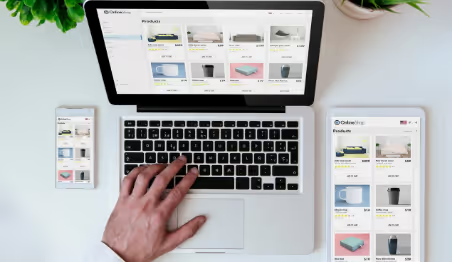
The goal of a landing page is to get someone to take action. Whether subscribing, signing up for an email list, or making a purchase, the point is to turn visitors into leads and customers. That's where conversion rate optimization comes in! Many different factors go into improving your conversions on your landing pages. This blog post will discuss five tips you can use today to help improve your conversion rates and increase revenue!

1. Use Headlines That Are Compelling.
Your headlines need to draw in your users and make them want to read more. If you are selling a product, use its name somewhere in the headline so they can associate what you're writing about with something they already know or trust. You also don't want to mislead customers into thinking you're writing about something you aren't, so make sure it's clear what the page is for!
If your landing page has too much content, it might be difficult for users to quickly find the information they need. This could lead to them leaving your page and going elsewhere. You should try to only include the most essential information on your landing pages, which will help you increase conversions!
2. Use Images and Videos To Draw Attention.
People are drawn to images and will want to click on them. If someone sees a picture of themselves, they may be more inclined to click since they think it might be useful or interesting in some way. That's why it can be a great idea to use your images or have someone take them for you. You can then display them on your landing pages, and they will help keep users engaged!
Videos are interesting to watch but also informative too. They're perfect if you want to create an explainer video or a tutorial. Just make sure your video is clear and concise so users can quickly get the information they need to take action!
3.Don't Forget The Fine Print.
Make sure you don't forget about including any disclaimers or rules on your landing page that might be important for users to see before taking action. You can include these at the bottom of the page, so people are less likely to miss them.
You could also include special offers or coupons that are only available for a limited time. You might also want to include which products are on sale if it's relevant to the page you're creating!
4. Don't Forget The Call To Action.
A call to action is the final step in an optimized landing page, but many people forget about it or don't understand its importance! Make sure you include a clear CTA button that is easy for visitors to find and click on. This will let you turn more visitors into leads!
Also, optimize your landing page for mobile users. More and more people are browsing the internet on their smartphones. Make sure your landing page is optimized for mobile, so you aren't losing users to this trend. You can easily check if Google sees your site as responsive by using its Structured Data Testing Tool. This will help improve your rankings in the search engine too!

5.Use Social Media.
If you are looking for more ways to improve conversions, consider using social media. There are many users of Facebook and Twitter that may be interested in what you have to offer. You can start by creating a profile on each network where people will find out about your brand or business. You can also post links to your landing page and share them among different communities!
How Best To Use Social Media.
-Through social media ads, you can also get more users to your landing page. These ads are a great way to encourage people to take action because they will be targeted specifically based on their interests or other factors, which means the product may benefit them somehow!
-By blogging, you can also get more traffic to your site, bringing in leads. This is especially true if you offer something that solves a problem or fills a need for your audience!
-Using emails to stay in touch with customers is another way to increase conversions. You can use campaigns or automated email sequences to help you communicate with prospects and turn them into leads!
-Using backlinks is another way to improve your site's ranking in the search engine. This is because Google looks at sites with more backlinks as being an authority on certain topics!
Overall, you need to optimize your site to increase conversions. If your site isn't already optimized, make sure you take care of this before improving conversions on your landing pages. Make sure your site is mobile-friendly and that the pages load quickly. You could also improve conversions by making sure you're offering a great user experience for users!




Start Growing Your Dental Practice with SEO
Take the first step toward transforming your marketing. Whether you’re looking to boost engagement, improve your online presence, or grow your business, our team at Vix Media Group is here to help.
Let’s craft a strategy tailored to your goals.