.svg)
The Seven Follow-Up Systems We Use Before Scaling Paid Traffic for a New Brand
Our seven-part follow-up framework tests capture, ownership, nurture, suppression, and recovery before paid traffic scales, keeping lead activity distinct from sales outcomes.
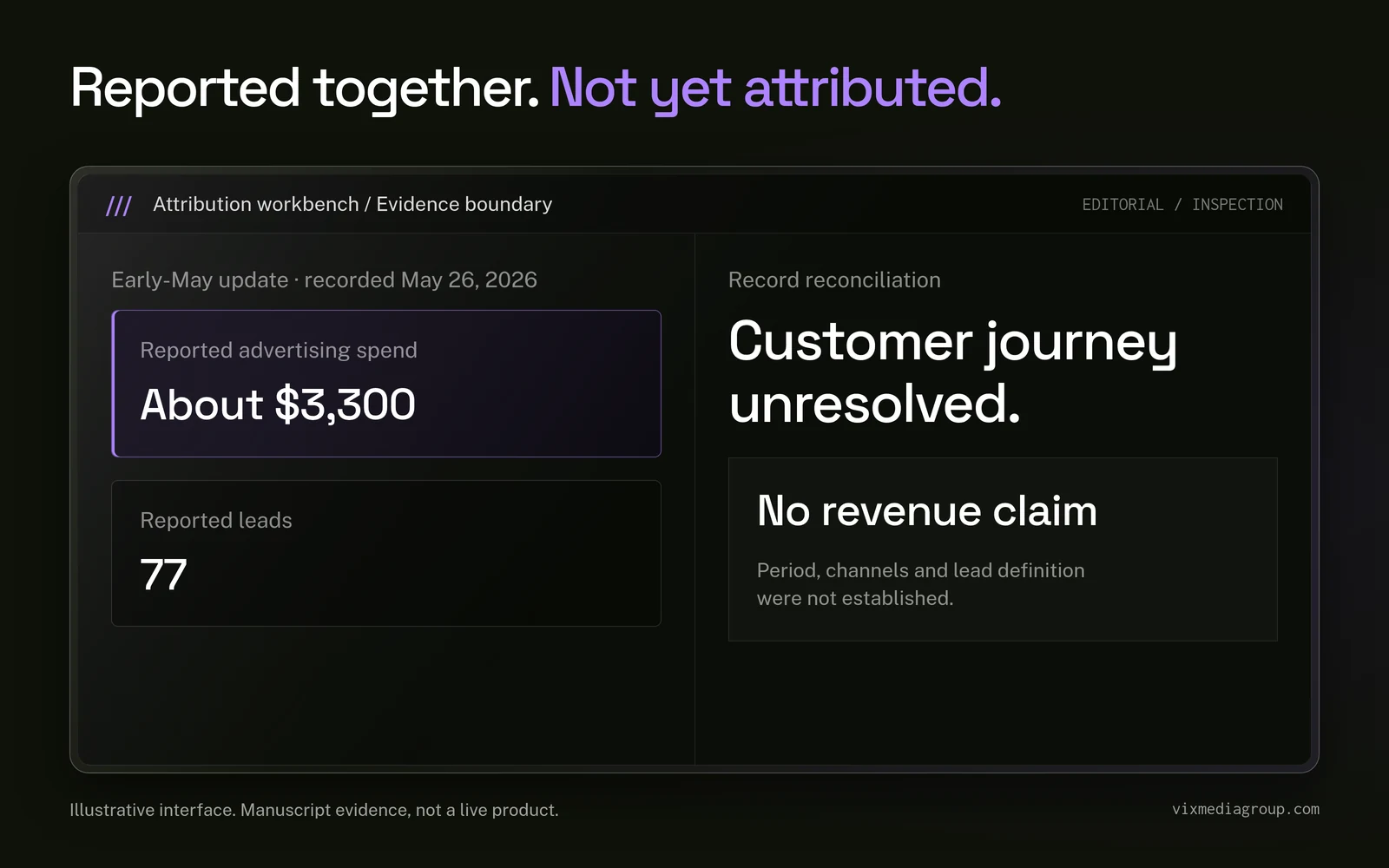
The acquisition review showed leads, but it also showed untouched intent
We have opened acquisition reviews with lead volume on the dashboard and unanswered or unchanged records in the CRM. The dashboard recorded lead activity, while the CRM showed that some of that activity had not become worked opportunities. The lead follow-up system had not consistently converted those records into worked opportunities.
That gap shaped the seven-part framework we use at Vix. Seven is an operating checklist, not a scientifically established optimum or a universal requirement for every brand. Our lead nurturing services use the framework to test whether a team can capture, work, nurture, suppress, and recover demand before paid traffic scales.
The framework does not guarantee that traffic will compound into revenue. It makes a more bounded claim: prior intent can inform future action only when the organization preserves the record, changes behavior when the lead changes state, and measures outcomes beyond the first conversion.
Why was the campaign diagnosis incomplete?
The obvious diagnosis was an acquisition problem because marketing owned the dashboard. That view stopped too early.
When inquiries wait without an owner, receive duplicate messages, or remain in stale stages, paid performance cannot be evaluated from media data alone. The campaign may need changes, but the response and lifecycle systems also shape what becomes visible as quality, opportunity, and revenue.
Every lead should not restart from zero
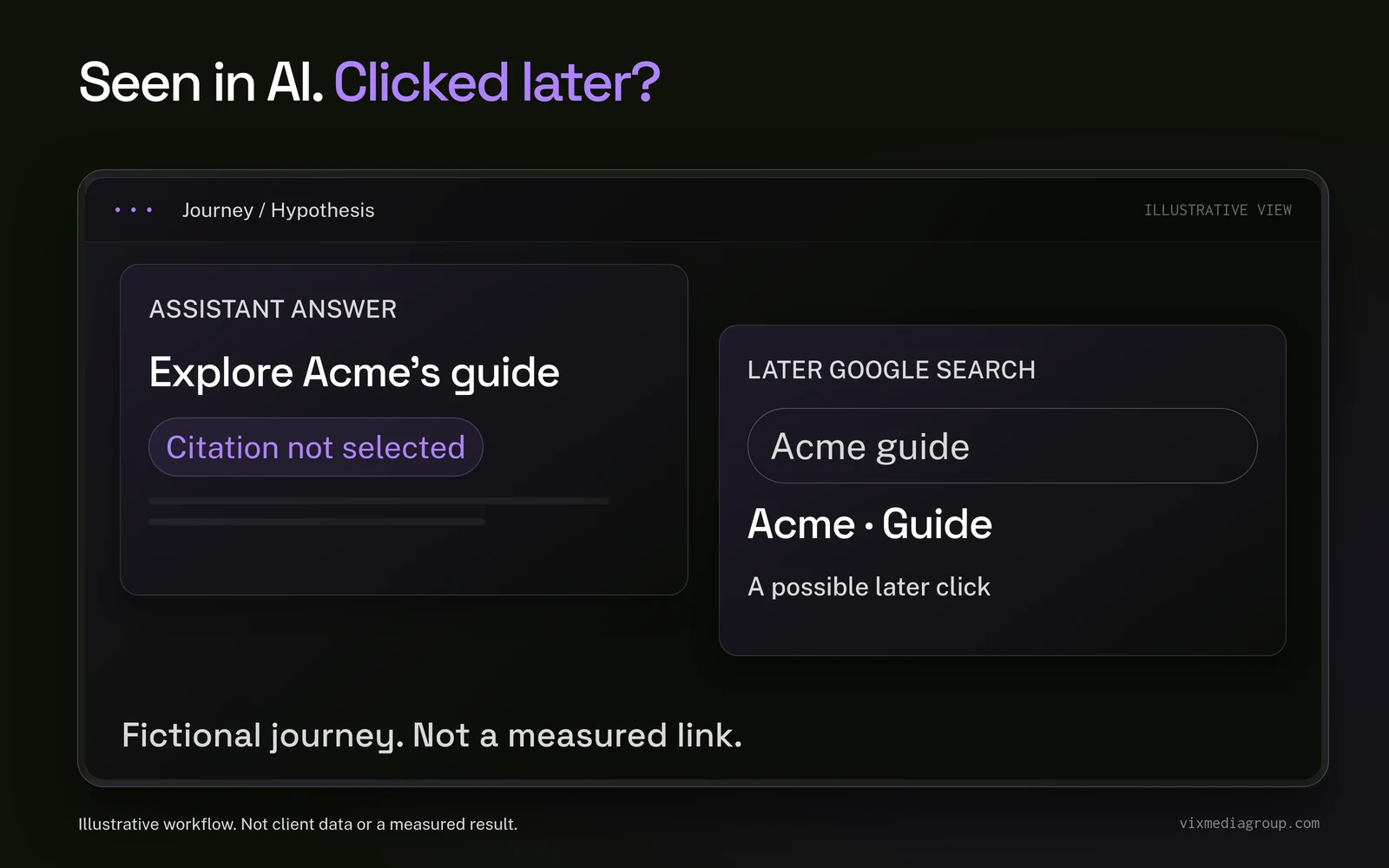
A person who replied, booked, missed an appointment, began an intake, opted out, or asked to return later is in a different state from a new inquiry. If the system ignores that state, each message behaves as if no prior interaction occurred.
A lead follow-up system preserves the latest eligible context and assigns the next action. It also knows when not to act. Suppression is part of the design, not an administrative cleanup after the campaign launches.
Our marketing attribution from spend to leads framework explains why acquisition volume and later business outcomes need separate measurement. Follow-up is one of the operating layers between those points.
What are the seven follow-up systems?
Each system needs a job, trigger, owner, suppression rule, and measure. A channel without those five elements is not ready merely because a workflow exists.
1. First response assigns the inquiry and starts the clock
First response routes a new inquiry to a named owner with a fallback. The workflow records when the lead arrived, when an attempt occurred, which channel was used, and what happened next.
The job is not to send an instant generic message and call the lead worked. The job is to create a reliable handoff to a person or approved process capable of qualification.
We test assignment failure, after-hours arrival, unavailable owners, duplicate submissions, and replies. If the primary owner does not act within the defined standard, the fallback must be observable and accountable.
2. CRM stages and ownership create a shared operating record
CRM stages define the current state, entry condition, next action, and exit condition. Ownership defines who is responsible for moving or closing the record.
Our CRM configuration services connect fields, stages, queues, and reporting. We avoid stage names that describe sentiment without an action. “Warm” is difficult to audit. “Qualified, awaiting scheduling” gives the team a clearer decision point.
Stages also need closure rules. Disqualified, deferred, lost, won, canceled, and duplicate records should not remain in an open queue indefinitely.
3. Email nurture carries detail and evidence
Email is useful for information that needs more context than a text message or call attempt can carry. It can explain the offer, answer a common question, establish expectations, provide evidence, and ask for one stage-appropriate action.
We design the sequence around the reader's current decision. A new inquiry may need confirmation and next steps. A scheduled prospect may need preparation. A deferred prospect may need useful evidence tied to the reason for delay.

Commercial email also needs channel-specific review. The FTC's CAN-SPAM business guide says commercial email needs a clear opt-out mechanism and that requests must be honored within 10 business days.
4. SMS nurture creates a concise reply path where eligible
SMS can support a short, timely reply or reminder path when the use, consent record, technology, sector, timing, and jurisdiction support it. We do not treat a phone number in a CRM as universal permission for every text workflow.
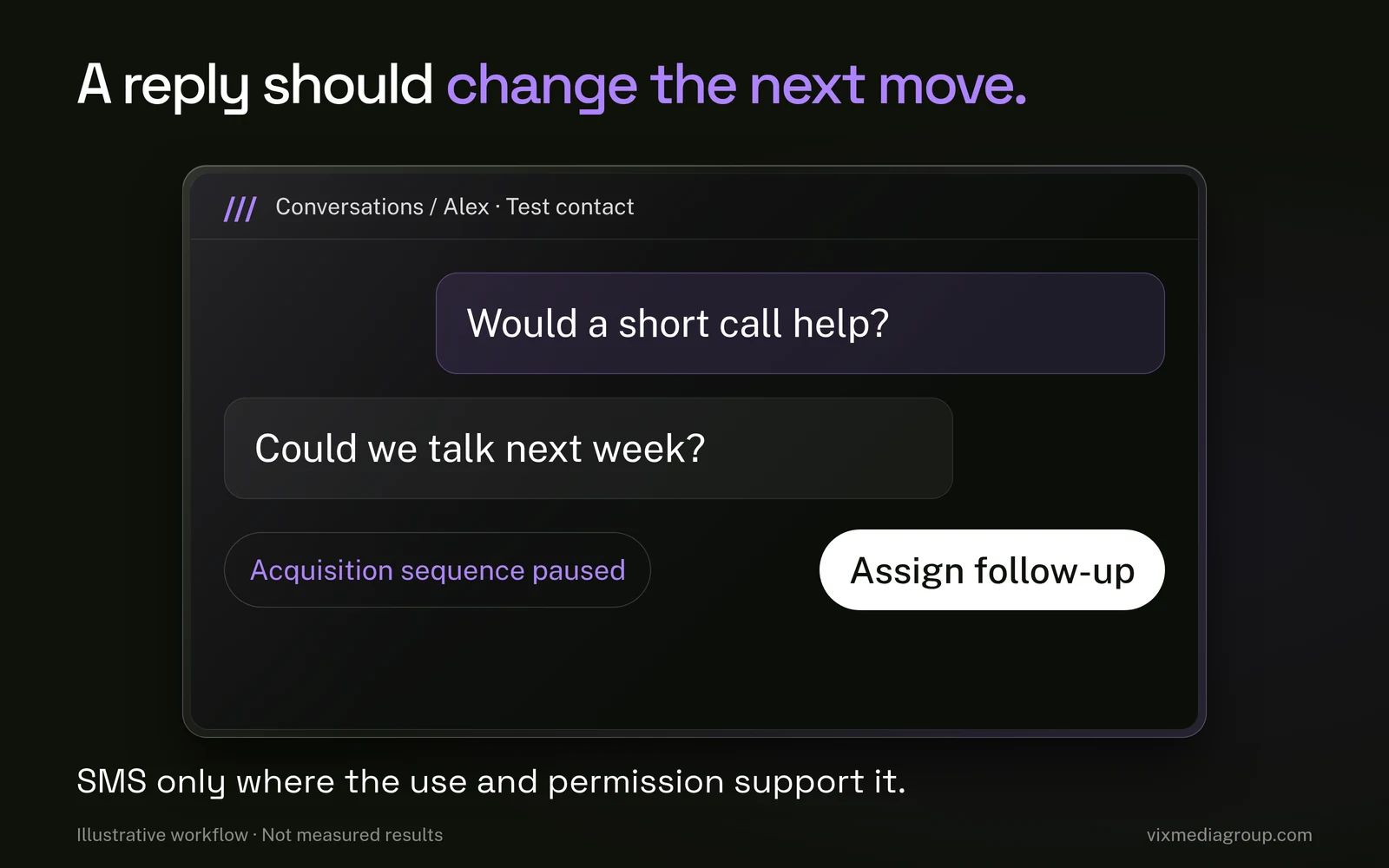
Messages remain concise and behavior-aware. A reply should pause or redirect the automation. A booking should replace acquisition prompts with preparation. An opt-out should suppress the relevant channel according to the approved rules.
We do not compress consent, automated messaging, revocation, quiet hours, carrier rules, or state requirements into one legal sentence. The implementation record goes to qualified counsel when the facts require legal interpretation.
5. Retargeting reinforces the offer for eligible audiences
Retargeting can reinforce a relevant argument for people who remain eligible and have not completed the intended action. Its job differs from email and SMS. It supports recognition and message continuity rather than direct one-to-one follow-up.
The audience needs source, purpose, duration, exclusions, refresh, and deletion rules. Converted contacts, opted-out records, employees, existing customers, or other groups may require suppression depending on the campaign and policy context.
The ad should add evidence or answer an objection rather than repeat the same acquisition claim at a higher frequency.
6. Direct mail supports selected economics and data contexts
Direct mail is optional. It can fit offers with suitable contribution economics, reliable address data, an appropriate customer context, and a message that benefits from a physical format.
We do not make it mandatory for every new brand. Production, postage, list quality, timing, suppression, and attribution all affect whether the channel belongs in the plan.
When it does belong, direct mail receives the same operating fields as the digital channels: trigger, owner, eligibility, suppression, and measure.
7. Lost-lead recovery reopens suitable opportunities with new value
Lost-lead recovery revisits records that remain eligible and have a defensible reason for renewed contact. It should not repeat “just checking in” indefinitely.
The recovery message needs a new reason to engage, such as changed timing, useful evidence, an updated offer, a resolved objection, or a relevant service development. The system records why the record re-entered the workflow and when it should exit again.
We do not attach an assumed revenue amount to the recovery pool. Potential opportunity and realized revenue are different claims. Any account-level figure would need verified outcomes, economics, assumptions, and publication approval.
How should the channels divide the work?
Coordination works better than blind repetition. We assign different jobs to each channel:
- Email carries detail, evidence, and expectation setting.
- SMS creates a short reply or reminder path where eligible.
- Phone supports individualized qualification and objection handling.
- Retargeting reinforces a relevant message for eligible audiences.
- Direct mail supports selected contexts with suitable economics.
- CRM tasks preserve ownership and next actions across all channels.
The message architecture matters as much as the schedule. Five channels repeating the same sentence do not create a thoughtful customer journey. They create five opportunities to ignore the customer's state.
Our go-to-market system framework shows where follow-up sits relative to demand, capture, sales ownership, authority, and revenue feedback. Nurture cannot compensate for an unclear offer or a missing sales process.
Which behavior changes should redirect the workflow?
The workflow should change when the lead's behavior changes. We design explicit branches for:
- Reply, which pauses acquisition messages and assigns a human next action.
- Booking, which replaces conversion prompts with preparation.
- Missed appointment, which offers one approved rebooking path.
- Intake start, which shifts from persuasion to completion support.
- Intake completion, which suppresses reminders for the completed action.
- Opt-out, which suppresses the applicable channel and propagates the record.
- No engagement, which reduces frequency or closes the sequence.
- Deferred timing, which records a future review date and reason.
Branches need precedence rules. If a reply and booking arrive close together, the system should not send contradictory messages while different automations race.

How do we test the seven systems?
We use synthetic records or a controlled staging environment where possible. The test confirms that one inquiry creates one intended contact, receives the correct owner, enters the correct stage, and triggers only eligible messages.
The acceptance record includes:
- The input and initial state.
- The expected routing and messages.
- The observed owner, stage, and timestamps.
- The suppression or branch that should fire after a behavior change.
- The delivery or integration failure path.
- The issue owner and remediation status.
Sales participation is required. If representatives cannot interpret a stage, receive alerts, or record outcomes consistently, the system is not ready because the messages send successfully.
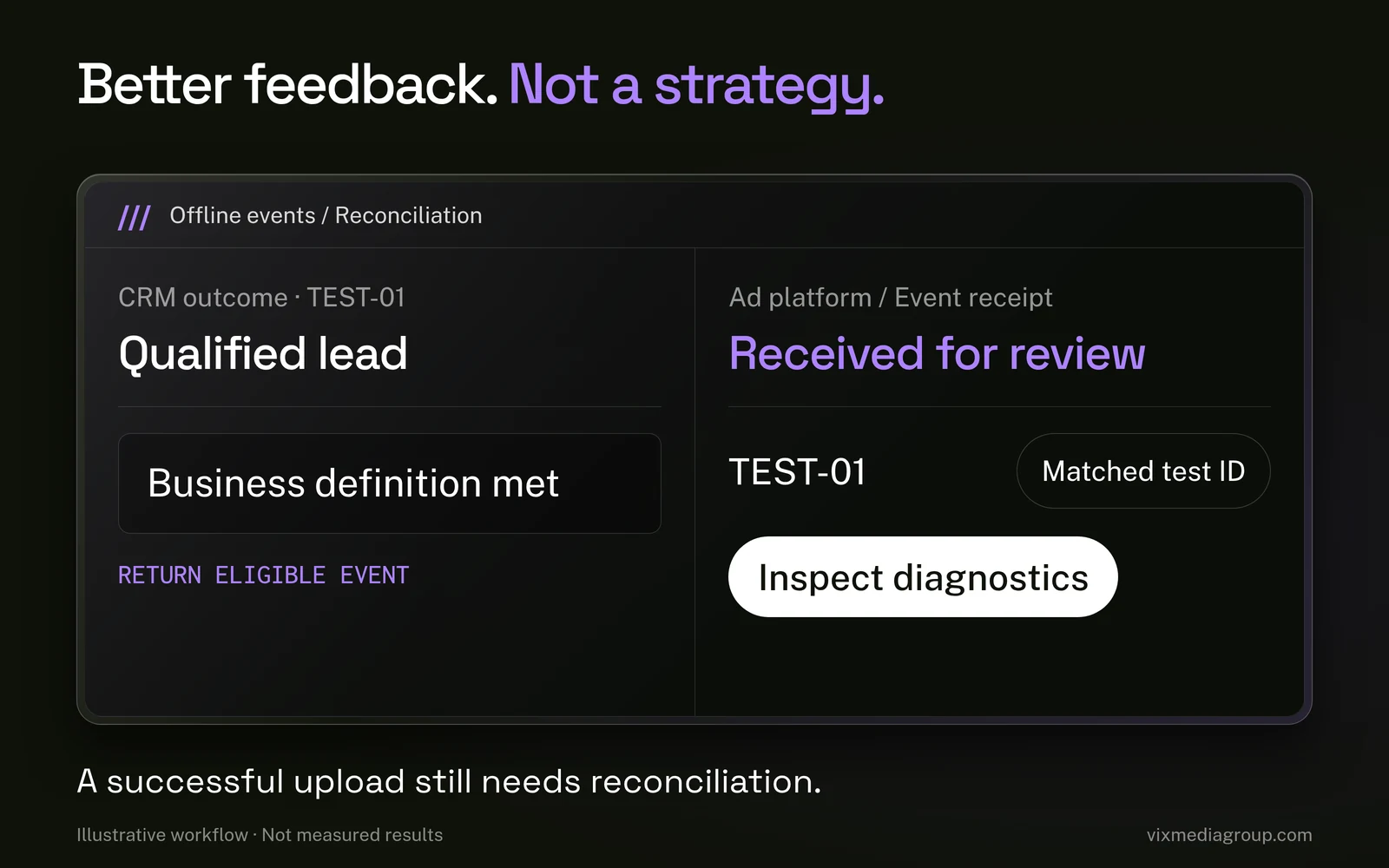
Our form fill to sale attribution framework provides the related reconciliation model. It helps us compare accepted submissions, CRM records, worked leads, appointments, opportunities, and later outcomes without forcing unknowns into a clean story.
What should the team measure beyond opens and clicks?
Opens and clicks can diagnose delivery and engagement, but they do not establish business value. We track first-response time, reply, booking, attendance, intake progress, stage conversion, opt-out, recovery outcome, and conversion by branch.
Our attribution tracking services connect acquisition signals with those later stages. The report keeps platform engagement, CRM progression, and reconciled outcomes separate.
The team should also inspect exception rates: unassigned records, duplicate contacts, stale stages, failed notifications, conflicting sequences, late opt-outs, and missing source fields. A low-volume failure can matter more than a high open rate when it affects the primary handoff.
What would we do differently before the next paid launch?
We would test ownership and suppression before finalizing media scale. Those controls are harder to repair after several channels and large lead volumes depend on them.
Our preferred sequence is:
- Define lifecycle stages and accountable owners.
- Test durable capture, routing, and fallback.
- Assign one job to each eligible channel.
- Build behavior branches and precedence rules.
- Verify opt-outs, exclusions, and sensitive-data boundaries.
- Run controlled records through every primary path.
- Give sales a working queue and outcome definitions.
- Set stop, fix, and scale gates for acquisition.
The first 90-day marketing ROI plan can then measure the integrity of the handoff and the progression of leads without promising that the framework will produce positive ROI by day 90.
When is paid scale operationally responsible?
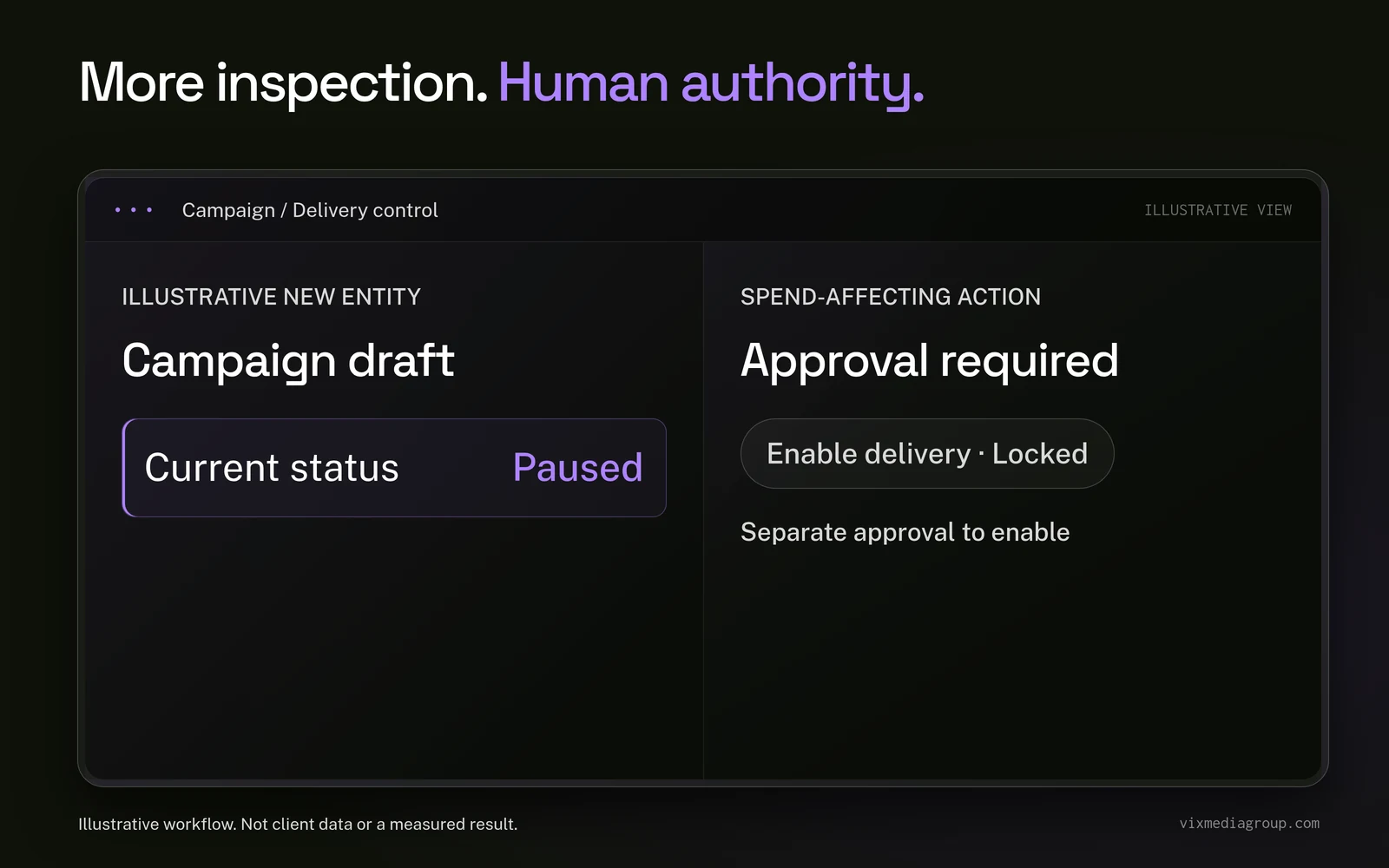
We use a launch gate: ownership, routing, channel eligibility, suppression, and stage measurement must be tested before meaningful scale. Passing the gate does not guarantee a positive return. It means the organization can receive demand, act on it, observe failure, and adjust with greater discipline.
Vix supplies the strategy, CRM structure, campaign operation, creative, nurture implementation, and measurement needed to build that capacity. The seven systems are our way to inspect the work, not a claim that seven is the only or optimal number.
Paid traffic can compound learning and opportunity when prior intent remains visible and the next action reflects the person's current state. Without that operating system, more acquisition can multiply untouched records and ambiguous results instead.
.avif)
.svg)




Start Growing Your Dental Practice with SEO
Take the first step toward transforming your marketing. Whether you’re looking to boost engagement, improve your online presence, or grow your business, our team at Vix Media Group is here to help.
Let’s craft a strategy tailored to your goals.