The Importance of Defining Your Brand Archetype
Great brands aren’t just built, they’re born with personality. Ready to find yours? Dive into brand archetypes and uncover your brand's identity and unlock a world of meaningfully connecting with your audience.

In today’s fast-paced world, it takes more than just providing a product or service. Brands need to connect with their audience in order to build authenticity, loyalty and trust. This is where defining your brand archetype becomes a game-changer. Brand archetypes provide a framework based on human psychology to help your company build a worthwhile and valuable relationship.
What Are Brand Archetypes?
Brand archetypes are twelve classic characters or “types” that represent familiar roles in storytelling.
- Creator
- Sage
- Caregiver
- Innocent
- Jester
- Magician
- Ruler
- Hero
- Everyman
- Rebel
- Explorer
- Lover
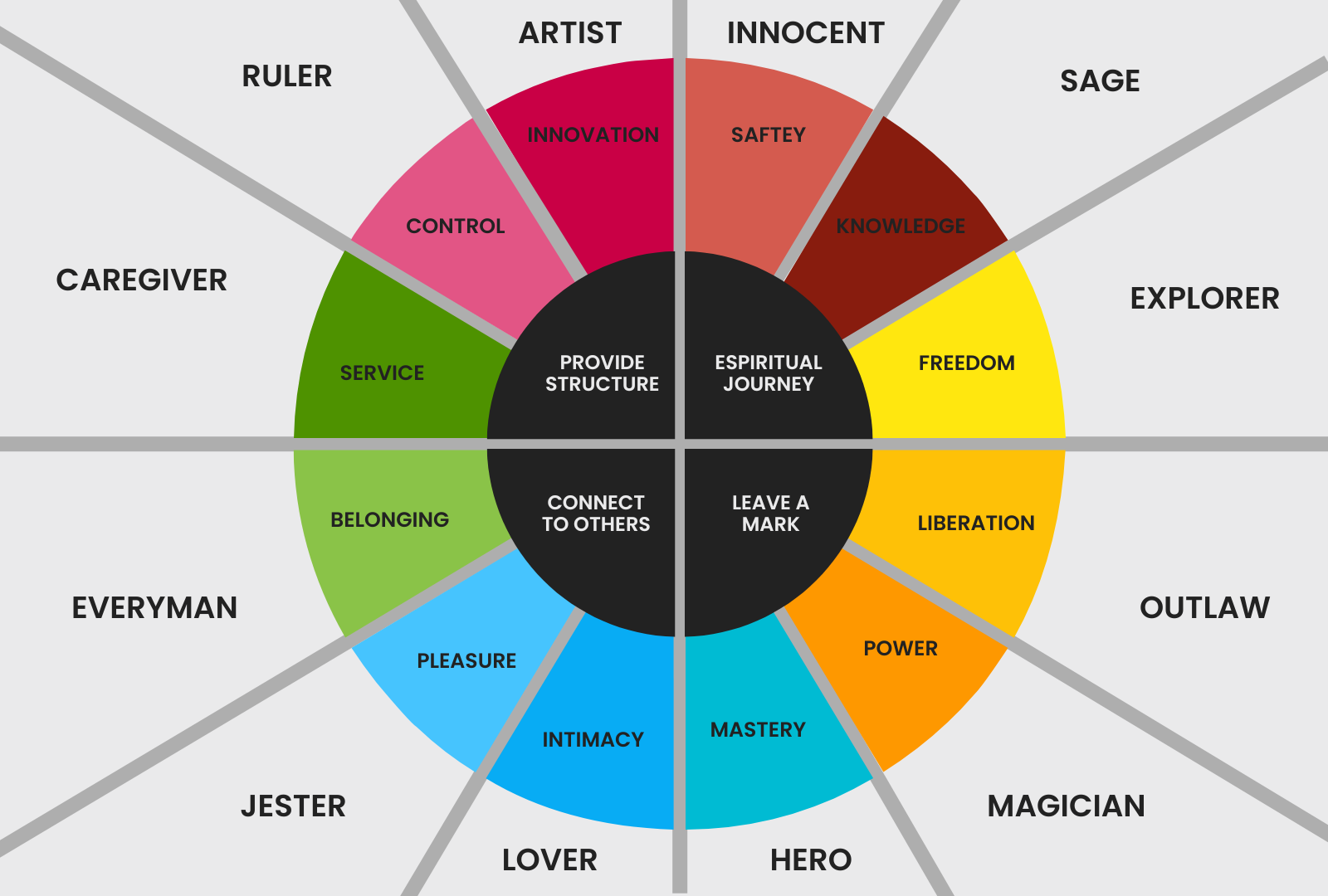
For a closer look, the image above illustrates the twelve brand archetypes, for example the “Explorer,” “Caregiver,” or “Magician,” speaks to certain motivations, fears, and goals. This isn’t just about personality, each type has a unique way of interacting with the world, shaping how audiences view and trust your brand. Whether it’s a nurturing “Caregiver” or a boundary-breaking “Outlaw,” choosing an archetype helps you connect with your audience on a meaningful and human level.
Why Knowing Your Brand Archetype Matters
Your brand’s archetype becomes a strong guide for everything from marketing and product development to customer service. An archetype gives you a clear direction, helping keep your message, tone, and goals aligned. It’s not just about outward communication—your brand archetype influences your whole company culture, making it easier for everyone to stay connected to the brand’s purpose and mission.
How to Identify Your Brand’s Archetype
To determine your brand's archetype you need to have a good understanding of how customers perceive your company, and how you want them to feel about your company:
- Reflect on your brand’s core values and mission.
- Identify your target audience and what motivates them.
- Choose an archetype that resonates with both your business and customers.
Getting to know your customers can start with something as simple as asking questions i.e, face to face interviews, surveys, questionnaires; these all work together to gather an understanding of what drives their buying decisions, as well as what emotions they associate with your brand. Don't feel discouraged if you receive some negative responses, they're just as valuable as positive ones.
Once you've found your customer's emotional drivers and how they connect with your brand you'll be able to identify what archetype is most suitable and aligns with your brand.
Brand Archetypes Evolve with You
It's only natural that your brand archetype evolves as your company grows. Businesses change as they reach new goals and respond to market shifts, so revisiting your brand archetype over time can ensure it still aligns with your mission and values. By staying open to this growth, brands keep their identity relevant, engaging, and effective.
VIX Media Group: A Journey Through Brand Archetypes
In our early days, we embraced the “Magician” archetype, aiming to inspire transformation and creativity; our slogan 'Make Digital Magic' was all about sparking change and breaking boundaries. As our company grew, we shifted to the “Hero” archetype and focused on empowerment and achievement. This new phase brought our slogan 'Scale Your Business Faster', capturing our goal of helping businesses grow with strength and purpose. As of late, we are evolving more toward the “Ruler” archetype, centered on authority and setting an industry standard. Reflecting our long-term goal of becoming a trusted, established leader, delivering stability and success for our clients.
Defining your brand’s archetype is a powerful step in building a strong and engaging identity. As your business grows, continue exploring new archetypes to stay aligned with your evolving goals. They help you create an attractive force, pulling and enticing your audience to your brand via shared values, resulting in better brand perception, greater brand advocacy and a stronger, more loyal customer base.
Think your brand has character? Let’s see if it’s the right one. Reach out to us today for a free consultation and watch as it opens new doors for connection, growth, and creativity.




Start Growing Your Dental Practice with SEO
Take the first step toward transforming your marketing. Whether you’re looking to boost engagement, improve your online presence, or grow your business, our team at Vix Media Group is here to help.
Let’s craft a strategy tailored to your goals.