.svg)
How Can I Create A Podcast?
Do you want to create a podcast but don't know where to start? Don't worry, you're not alone! This blog post will walk you through creating a successful podcast.

Table of Contents
- 1. Define Your Topic or Niche
- 2. Do Research on Existing Podcasts
- 3. Select Your Format and Cadence
- 4. Define Your Listeners or Audience
- 5. Build Your Brand and Online Presence
- 6. Create Social Media Profiles
- 7. Create an RSS Feed or Website for Your Podcast
- 8. Set Up an Account with a Podcast Platform
- 9. Have Recording Equipment and Editing Software
- 10. Record and Edit Your First Episode
- 11. Takeaway
We'll discuss everything from finding a topic to recording and editing your episodes. So whether you're a complete beginner or just looking for some tips and tricks, read on for all the information you need to get started.
1. Define your topic or niche
Starting with a topic or niche you are passionate about is essential. This will make the process of creating content much easier and more enjoyable. Choosing a topic you feel can offer something unique or valuable to listeners is also essential. Once you have an idea of what you would like to discuss on your podcast, it's time to start planning your episodes.
2. Do research on existing podcasts
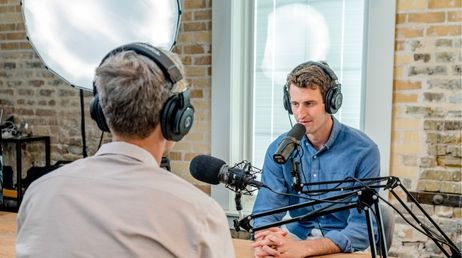
Before you start recording, listening to other podcasts in your niche is helpful. This will give you a better idea of the popular style and format with listeners. It is also essential to research any potential competitors. What makes your podcast unique? How can you make sure that your content stands out from the rest? This is an important question before you create your own episodes.
3. Select your format and cadence
Your podcast's format will be determined by the type of content you want to include in your episodes. For example, if you're planning on interviewing guests, you'll need to decide how long each episode should be and how often you want to release new episodes. Once you've decided on a format, it's time to start planning your content. Do not also forget to consider your target audience when selecting a format. What type of content do they prefer? How much time do they have to listen to podcasts?
4. Define your listeners or audience
This step is critical to the success of your podcast. You need a clear idea of your target audience and what they want to hear from you. If you're unsure who your target audience is, consider doing market research. There are many ways to gather information about your target audience, including online surveys, focus groups, and demographic studies. For younger audience members, you may want to consider conducting interviews or focus groups in person.
5. Build your brand and online presence
A solid online presence is essential for any business, and podcasts are no different. To build your brand and attract listeners, you must promote your podcast across multiple channels. This includes social media, your website, and directories like iTunes and Stitcher. You should also consider creating marketing materials such as promo videos and social media images. A good graphic designer can help you with this step.
6. Create social media profiles
After you've built your brand and online presence, it's time to start promoting your podcast on social media. This step is vital because it will help you attract new listeners and build a relationship with your audience. When creating social media profiles, be sure to use keywords that relate to your podcast. This will make it easier for people to find your show when searching for topics that interest them.
7. Create an RSS feed or website for your podcast
With your branding and online presence in place, it's time to start creating episodes for your podcast. If you don't already have an RSS feed, you can create one using a service like Feedburner. You can also create a website for your podcast using WordPress or another content management system. Include links to your social media profiles and podcast episodes on your website.
8. Set up an account with a podcast platform
It is crucial to have your podcast hosted on a reliable platform. This will ensure that your episodes are always available to your listeners. Popular podcast platforms include iTunes, Stitcher, Spotify, and Podbean. Each forum has its requirements for hosting podcasts. Be sure to review the needs of each before setting up an account.
9. Have recording equipment and editing software
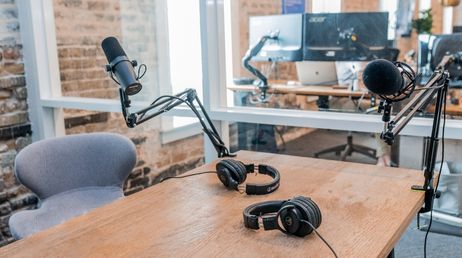
You also need to have reliable recording equipment and editing software. Many options are available, so be sure to research before making a purchase. If you're on a budget, you can find affordable options that will still produce high-quality recordings. Once you have your recording equipment and software set up, you're ready to start creating episodes for your podcast.
10. Record and edit your first episode
Lastly, it is time to record and edit your first episode. Be sure to follow the format that you've chosen for your show. If you're interviewing guests, be sure to introduce them properly and ask questions that will be interesting to your listeners. Once you've recorded your episode, you can edit it using your software. Be sure to remove any background noise and add any music or sound effects you want.
Takeaway
These steps will help you get started with podcasting and ensure that your show is successful. If you need help getting started, consider hiring a podcast production company. They can handle all the steps for you and provide high-quality recordings.

.svg)





Start Growing Your Dental Practice with SEO
Take the first step toward transforming your marketing. Whether you’re looking to boost engagement, improve your online presence, or grow your business, our team at Vix Media Group is here to help.
Let’s craft a strategy tailored to your goals.