3 Key Restaurant Marketing Trends
This report highlights the key restaurant marketing trends, focusing on how targeted marketing strategies can enhance menu visibility and drive growth.

In the highly competitive restaurant industry, staying updated with marketing trends is crucial for success. As the landscape of restaurant marketing continues to evolve, driven by changing consumer behaviors and technological advancements. Effective marketing strategies are essential for attracting new customers, retaining loyal ones, and standing out in a crowded market.
Marketing plays a pivotal role in a restaurant's ability to keep its doors open, influencing everything from brand visibility to customer engagement. With the rapid pace of change in digital marketing, restaurants must adapt to stay ahead. This report highlights the key restaurant marketing trends, focusing on how targeted marketing strategies can enhance menu visibility and drive growth.
Challenges Restaurant Business Owners Face When it Comes to Marketing

The restaurant industry is increasingly crowded, with numerous establishments vying for customers' attention. In such a saturated market, innovative marketing approaches are necessary to stand out. Businesses must continually find creative ways to differentiate themselves and capture consumer interest.
Many restaurant owners face limitations in their marketing budgets, making it essential to maximize impact without overspending. Effective strategies for measuring return on investment (ROI) are crucial to ensure that marketing efforts yield profitable results.
Keeping pace with rapid technological advancements and digital trends presents a significant challenge. Restaurants must navigate an ever-evolving digital landscape, incorporating new tools and platforms while maintaining effective marketing practices.
Top Marketing Trends for Restaurant Marketing
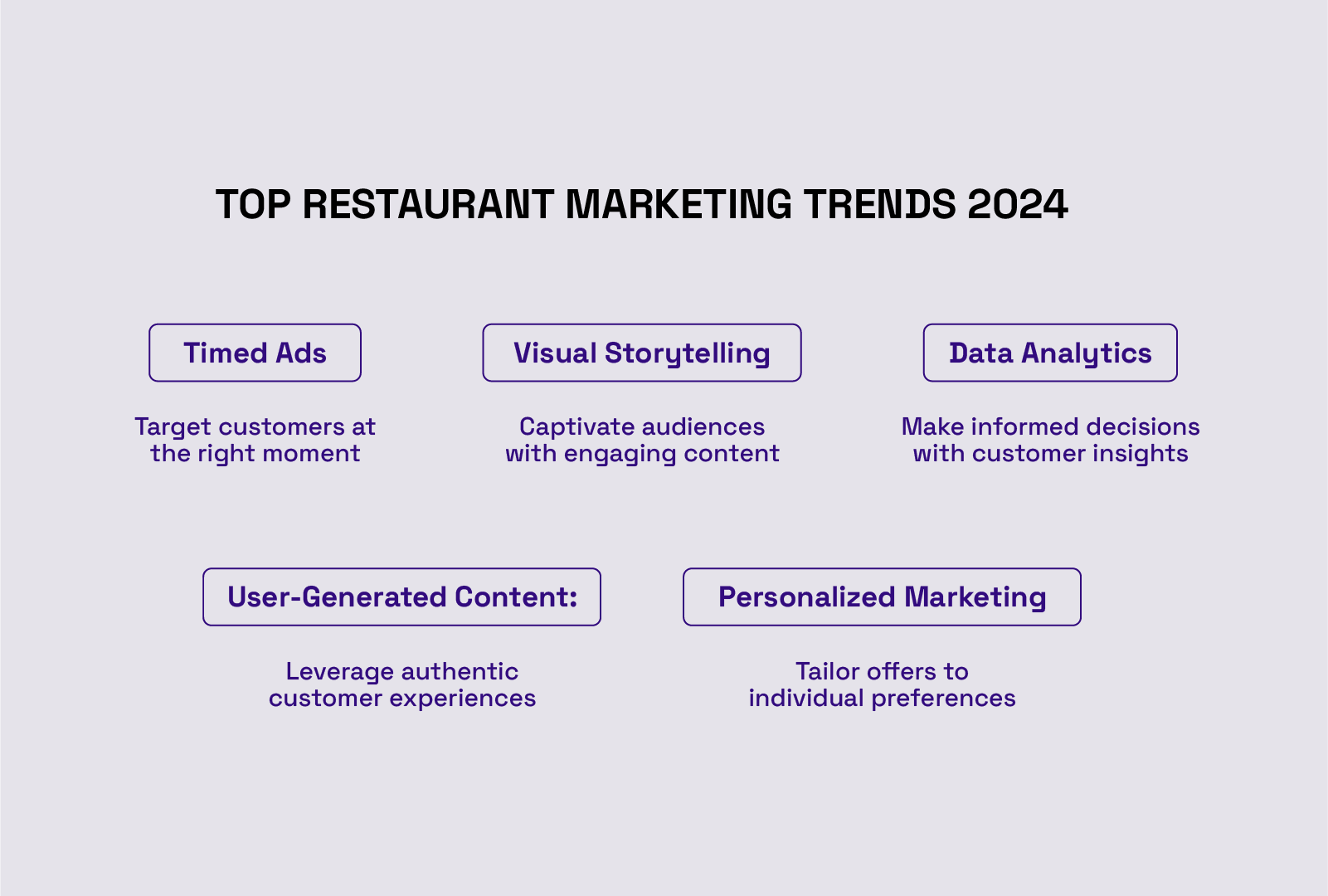
1. Timed Ads
Timed ads are an emerging trend in restaurant marketing that leverages consumer behavior and location data. These ads are scheduled to appear at specific times, targeting potential customers when they are most likely to engage. For example, geo-targeted ads can promote lunch specials to office workers during their midday break, increasing the likelihood of immediate visits.
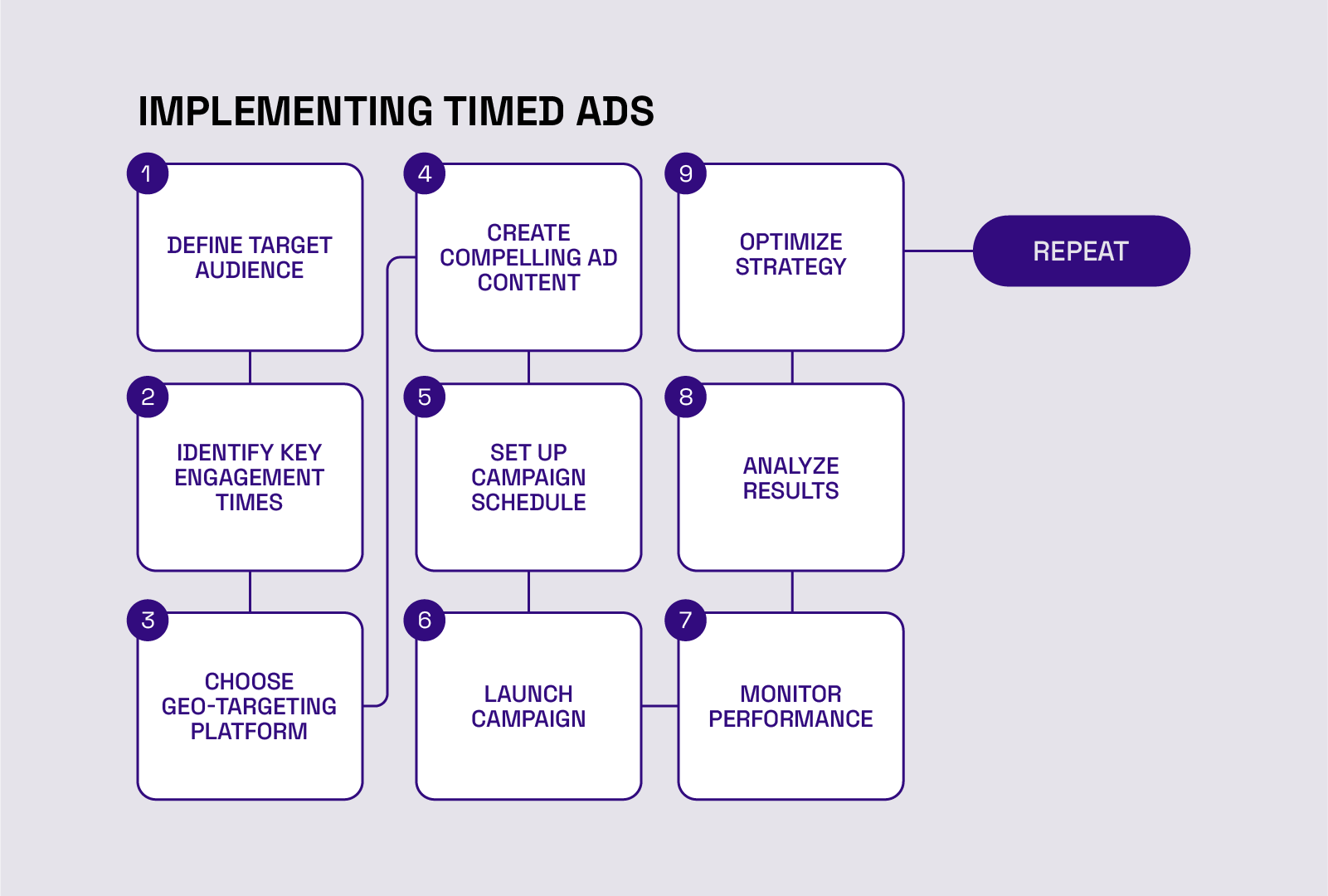
Implementing Timed Ads
A successful implementation of timed ads could involve promoting breakfast deals to early risers or happy hour discounts to people in the vicinity after work hours. These targeted approaches help drive foot traffic during key times of the day.
To set up and manage timed ad campaigns effectively, start by defining your target audience and key times for engagement. Use advertising platforms that offer geo-targeting and time-based scheduling features. Monitor campaign performance regularly and adjust strategies based on analytics to optimize results.
2. Social Media Trends
Visual Storytelling
The popularity of Instagram and TikTok has elevated visual storytelling in restaurant marketing. High-quality images and engaging video content showcasing dishes, restaurant ambiance, and behind-the-scenes content can captivate audiences and drive engagement. Visual content is particularly effective for attracting younger demographics who frequent social media platforms.
User-Generated Content
Leveraging customer reviews and social media interactions can significantly enhance a restaurant’s online presence. Encouraging patrons to share their dining experiences and tag the restaurant creates authentic content that resonates with potential customers.
Implementing Social Media Campaigns
Craft compelling social media content by focusing on high-quality visuals and engaging storytelling. Utilize hashtags, collaborate with influencers, and interact with followers to boost visibility and engagement. Regularly analyze social media metrics to refine your strategy and enhance performance.
3. Personalized Marketing
Customer Relationship Management (CRM) systems and data analytics are transforming how restaurants approach marketing. By analyzing customer data, restaurants can create personalized offers and promotions that cater to individual preferences. Personalized marketing helps build stronger customer relationships and increases the effectiveness of marketing campaigns.
Implementing loyalty programs and personalized email campaigns can drive repeat business. By offering tailored rewards and promotions based on customer behavior, restaurants can enhance customer retention and satisfaction.
Marketing Recommendations for Restaurant Owners for Growth and Sustainability
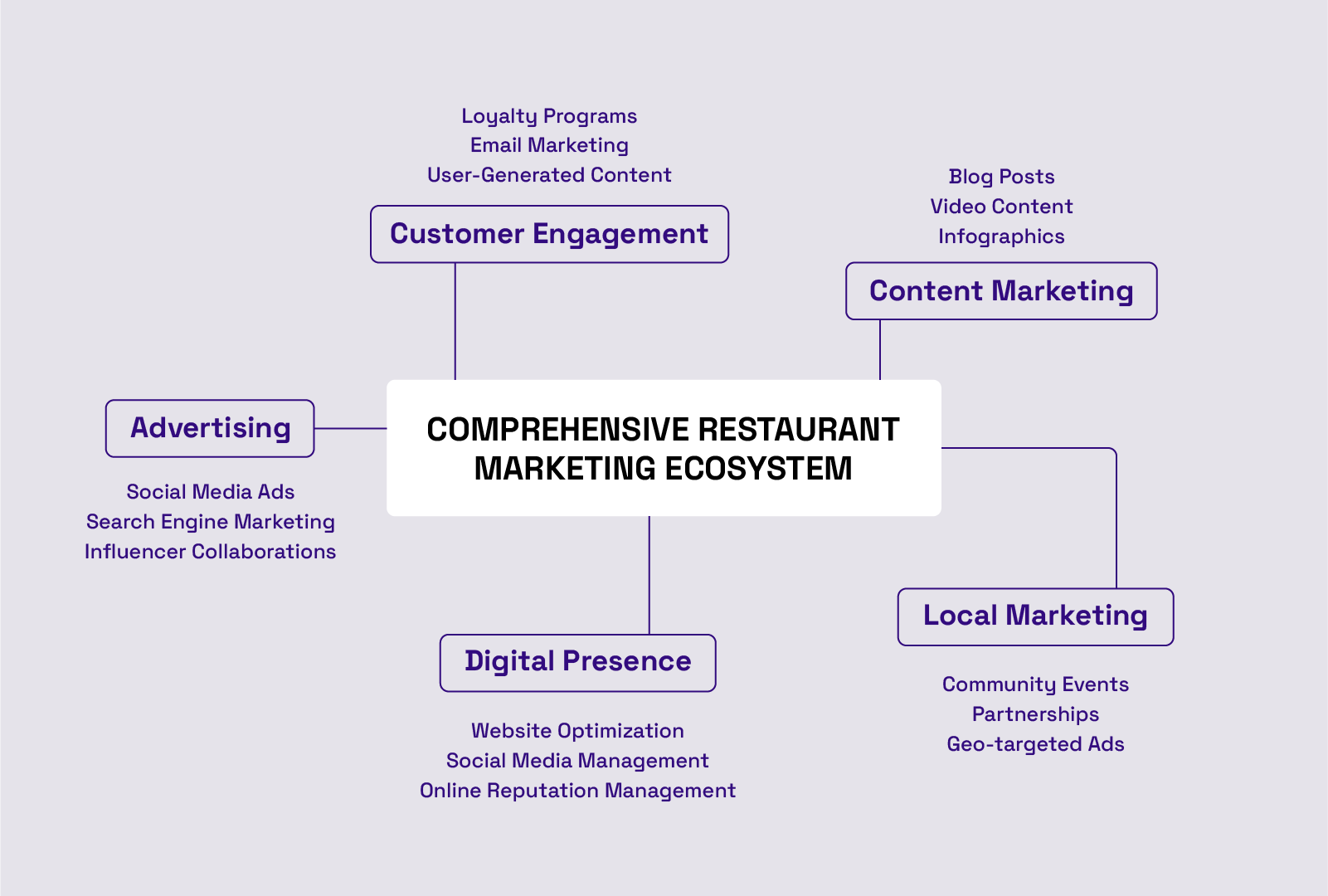
Now that you are familiar with some of the top marketing trends for restaurant owners it is important to optimize your process to track your momentum.
Tracking ROI and Staying on Budget
Allocate your marketing budget based on the strategies that provide the highest ROI. Invest in tools and platforms that offer the best value for your investment and consider experimenting with cost-effective tactics like social media promotions and email marketing.
Streamline with Tools and Software
Leverage digital marketing tools such as CRM systems, social media management platforms, and analytics software to streamline your marketing efforts. These tools can help you manage campaigns more efficiently and track performance metrics.
Adopting the latest marketing trends is essential for staying competitive in the restaurant industry. To transform your restaurant marketing strategies and leverage these trends effectively, consider partnering with experts who can provide tailored solutions.
At Vix Media Group we help you stay on top of current trends and help you implement strategies that convert. Stay ahead of the competition and ensure your restaurant thrives in today’s dynamic market. Book your consultation with Vix Media Group today.




Start Growing Your Dental Practice with SEO
Take the first step toward transforming your marketing. Whether you’re looking to boost engagement, improve your online presence, or grow your business, our team at Vix Media Group is here to help.
Let’s craft a strategy tailored to your goals.